Refugees in Kenya Power Tech and AI Work for Dwindling Pay
◆ The brief
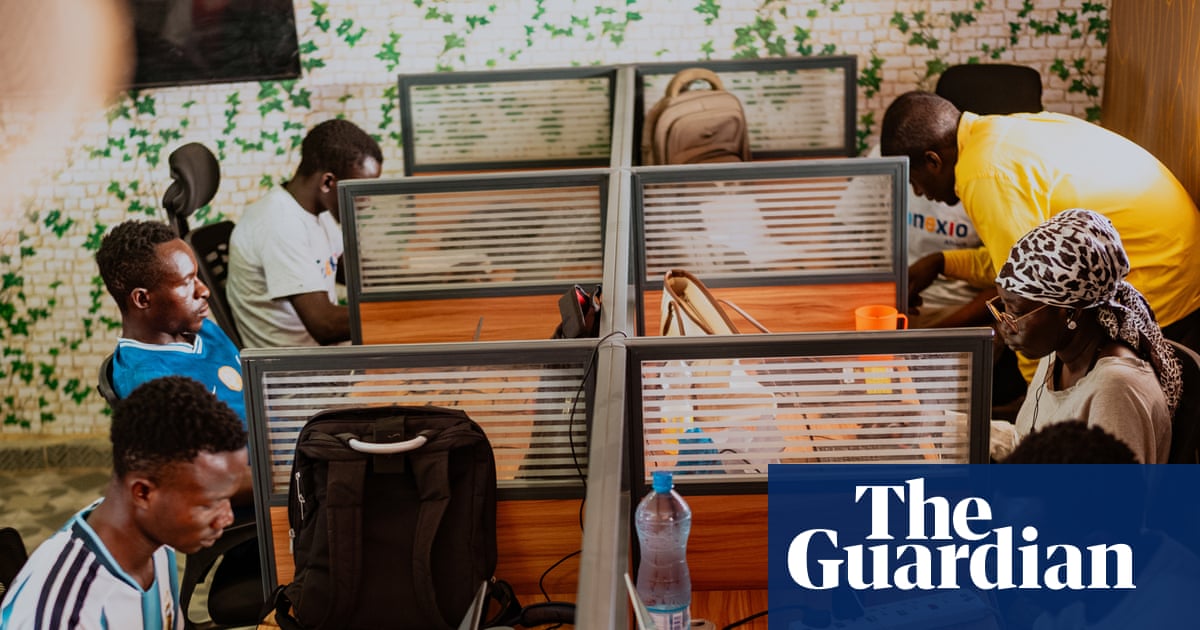
In a portable building inside the Kakuma refugee camp in Kenya, a gig worker named Grace uses ChatGPT to research translations and complete digital tasks for tech companies. However, life as a refugee gig worker has become increasingly precarious and unpredictable. These workers handle digital chores like labeling images to train AI models or translating text, but they often do not know how much they will be paid for their labor—if they are paid at all. Worse yet, as artificial intelligence systems grow more capable, they are beginning to automate the exact data-labeling and translation tasks that these vulnerable workers rely on for survival. Living in a remote camp near the South Sudan border, Grace and her peers have few economic alternatives. Major tech companies outsource this low-wage digital labor to developing regions to cut costs, taking advantage of populations with limited legal rights or bargaining power. As generative AI improves, the demand for human data labelers is shrinking, threatening to wipe out one of the few economic lifelines available to refugees. The situation exposes the hidden human cost of the global AI boom.
◆ Key points
- 01Refugee gig workers in Kenya use tools like ChatGPT to do AI data tasks.
- 02Pay is unpredictable and often dropping as competition increases.
- 03Improving AI systems threaten to completely automate these data-labeling jobs.
- 04The situation highlights the hidden human and economic toll of the AI boom.
The AI boom relies heavily on low-paid human workers in developing nations to train models. As AI improves, it threatens to eliminate even these meager jobs, leaving vulnerable refugees with nothing.